


Contamos con un equipo profesional especializado en el diseño y fabricación de dispositivos de protección.
100%
Satisfacción del cliente
5K+
Experiencia en la industria
Contamos con décadas de experiencia en soluciones de protección de circuitos para diversos campos.
Recomendados
NUESTROS PRODUCTOS
Seguimos mejorando nuestra tecnología y competitividad en el mercado. Continuaremos introduciendo tecnología, tomando la calidad como base, tomando la demanda del cliente como guía, mejorando el rendimiento y la calidad de los productos, continuaremos satisfaciendo las necesidades del cliente y brindando a los clientes soluciones integrales para dispositivos de protección


ACERCA DE
Perfil de la empresa

20+
Personal Experto
100+
Certificaciones

GFEFUSE® siempre ha estado comprometida con la innovación continua, integrando el diseño, el desarrollo, la producción y las ventas de dispositivos de protección eléctrica.
Tipo de producto y aplicación de R & D
Desarrollamos constantemente diversos productos para satisfacer las necesidades del mercado, cubriendo una amplia gama de campos de aplicación, desde las nuevas energías hasta la electrónica de consumo.
Alcance de la industria
Expandimos activamente nuestra influencia, brindando soluciones confiables en diversas industrias, desde automotriz, electrónica hasta telecomunicaciones.
ELECTRÓNICA DONGGUAN GONGFU
Aplicación
Nuestros dispositivos de protección de circuitos se aplican ampliamente en diversos sectores, salvaguardando sistemas y equipos críticos.
Vehículos de nueva energía
Se utiliza para proteger circuitos de alto voltaje y sistemas de gestión de baterías, lo que garantiza la seguridad y confiabilidad del vehículo.
Pilas de carga de baterías
Crucial para prevenir fallas por sobrecorriente y cortocircuito, mejorando la estabilidad de las operaciones de carga.
Almacenamiento de energía
Esencial para proteger los sistemas de almacenamiento de energía de los riesgos eléctricos, optimizando el rendimiento del sistema.
Fuentes de alimentación
Integrado en las unidades de fuente de alimentación para evitar sobrecargas y sobretensiones de tensión, lo que garantiza una salida de energía estable.


Nuestro Certificado
Honor
LOGROS DE LA INDUSTRIA
CERTIFICACIONES
2024
En 2024, se le otorgará la unidad miembro preferida de la industria de fusibles y las 10 mejores marcas de la industria de fusibles de China
2021
En 2021, el fusible fotovoltaico de nueva energía obtuvo la certificación de seguridad TÜV mark (Europa).
2019
En 2019, ganó las 10 mejores marcas y productos en la industria de fusibles y obtuvo la certificación de seguridad UL (Estados Unidos) cULus (Canadá)
2018
En 2018, el producto obtuvo la certificación de seguridad CQC (China) TUV mar (Europa), la certificación de producto CE (Europa) y el informe de la directiva ROHS REACH EU


Nuestras noticias
Noticia
Seguimos mejorando nuestra tecnología y competitividad en el mercado. Continuaremos introduciendo tecnología, tomando la calidad como base y estando orientados al cliente para mejorar el rendimiento y la calidad del producto, satisfacer continuamente las necesidades del cliente y brindar a los clientes soluciones integrales para dispositivos de protección.


El símbolo gráfico (como se muestra a continuación) y el símbolo de texto del fusible son: FU
Un fusible es un dispositivo eléctrico que utiliza el calor generado por sí mismo para derretir el fusible y desconectar el circuito cuando la corriente excede el valor especificado. Un fusible es un protector de corriente fabricado en base al principio de que después de que la corriente excede el valor especificado durante un período de tiempo, el calor generado por sí mismo hace que el fusible se caliente, desconectando así el circuito. Los fusibles se utilizan ampliamente en sistemas de distribución de energía y sistemas de control de alto y bajo voltaje, así como en equipos eléctricos. Como protector contra cortocircuitos y sobrecorrientes, es uno de los dispositivos de protección más utilizados.
+

El TuV europeo. Las certificaciones CE y CQC se han actualizado a la nueva versión
+

Proveedor de servicios de fusibles de CC y accesorios para fusibles automotrices
+

Dongguan Gongfu Electronics Co., LTD. anuncia pedidos anticipados de varios productos:
Fusible H10F (50A-750VAC/32A-1000VDC) con portafusibles de instalación en panel.
Portafusibles para automoción GFC41F (40A/58V, tamaño ultrapequeño) disponible para pre-pedido a partir de finales de septiembre.
Fusibles rápidos de CC de alto/bajo voltaje (125V-1500V, 10A-500A, tipo 20KA gR), incluyendo 2H38L (200A-500A/250V-300V, 10KA) y 1H20L (70A-300A/125V-150V, 20KA), ya abiertos para reservas.
+


Gongfu Electronics anuncia el próximo lanzamiento de su serie de fusibles rápidos H105F (1A-6A, 1500V DC, 20KA/50KA AC). Especializada en el desarrollo y la fabricación de componentes de protección de circuitos, incluidos fusibles de cuchillas automotrices, soportes, fusibles de pernos de horquilla, cajas de fusibles y fusibles de CC de alto voltaje, la empresa ofrece protección segura y confiable y soluciones integrales para los productos de los clientes.
+
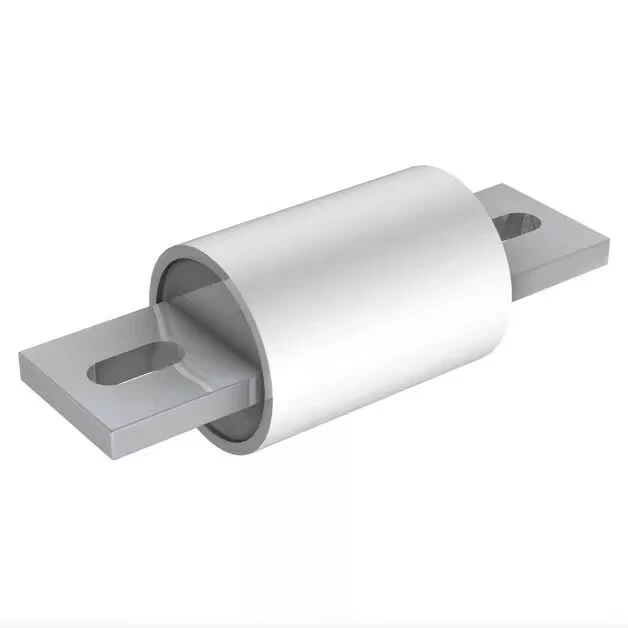
Ask most buyers what they need from a semiconductor fuse and the answer comes back as two numbers: rated current and rated voltage. Both matter, but neither is the number that decides whether an IGBT survives a fault. That number is I2t — the energy let through by the device before it clears, expressed in ampere-squared seconds.
+
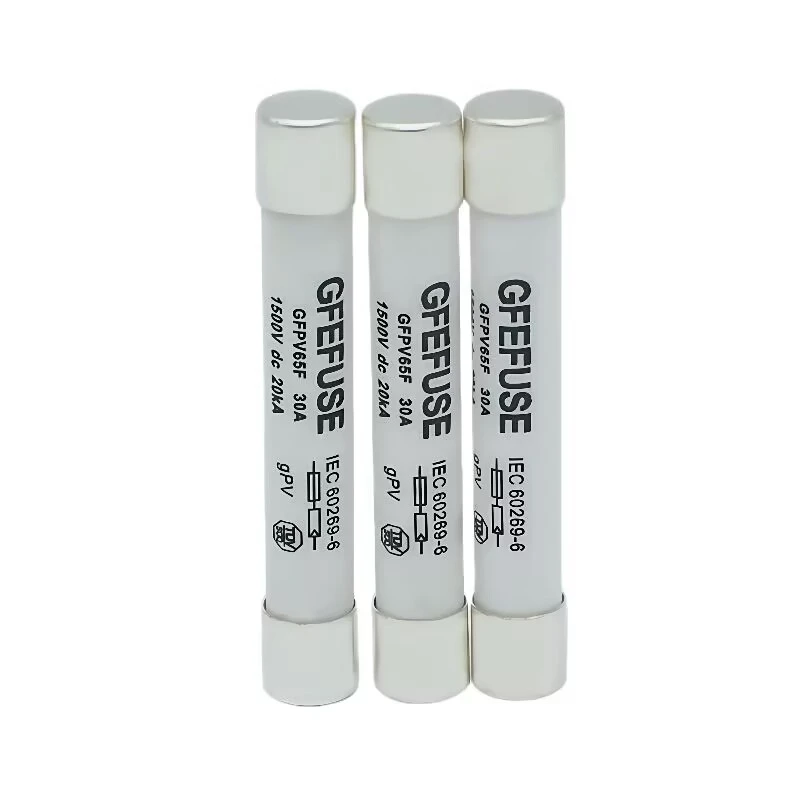
There is a pattern in solar O and M that every experienced technician recognises. An array runs perfectly for two or three years, then one summer a handful of protective devices start opening, or a combiner box inspection finds discoloured bodies with no fault anywhere in the system.
+
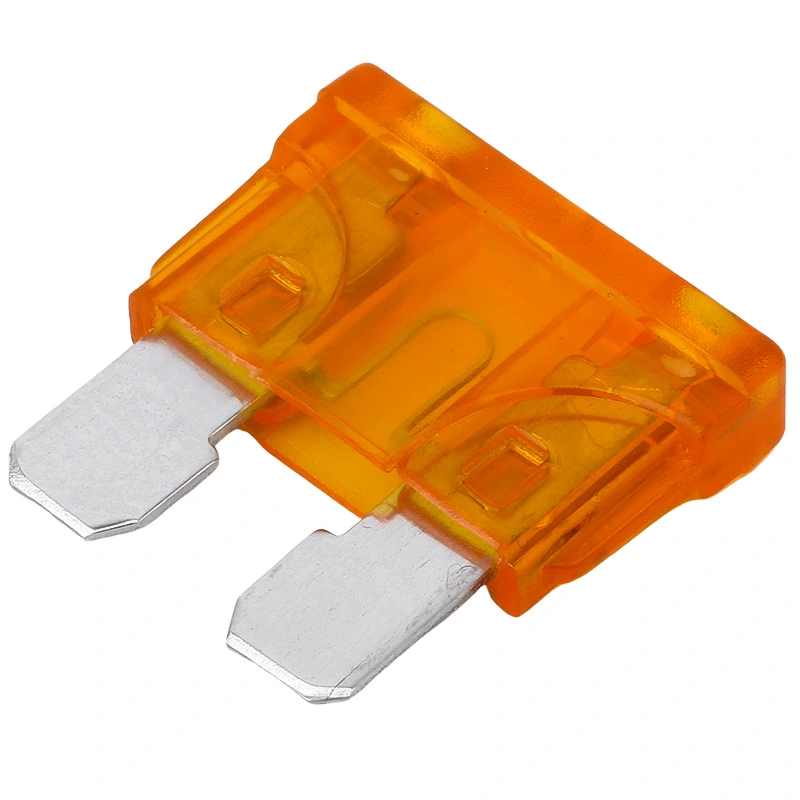
A blade fuse that opens once is doing its job. The same one opening every few weeks, always in the same position, is telling you that the circuit has a problem nobody has found yet. Replacing it fixes nothing, and fitting a higher rating — the most common response — turns a nuisance into a wiring fire risk.
+
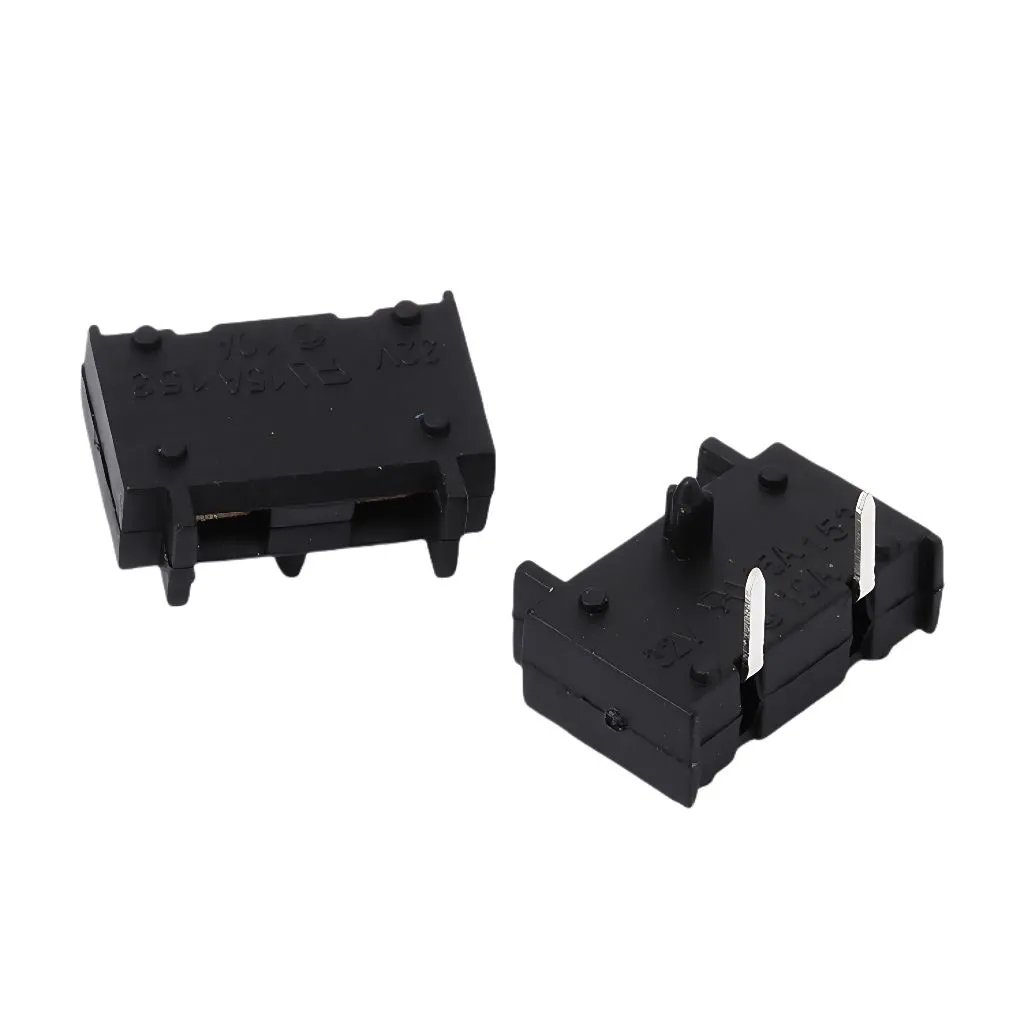
It looks impossible. The protective device is the part designed to sacrifice itself, yet in a melted holder the device sits there intact while the plastic around it has deformed. If the current was high enough to destroy the holder, why was it not high enough to open the device?
+
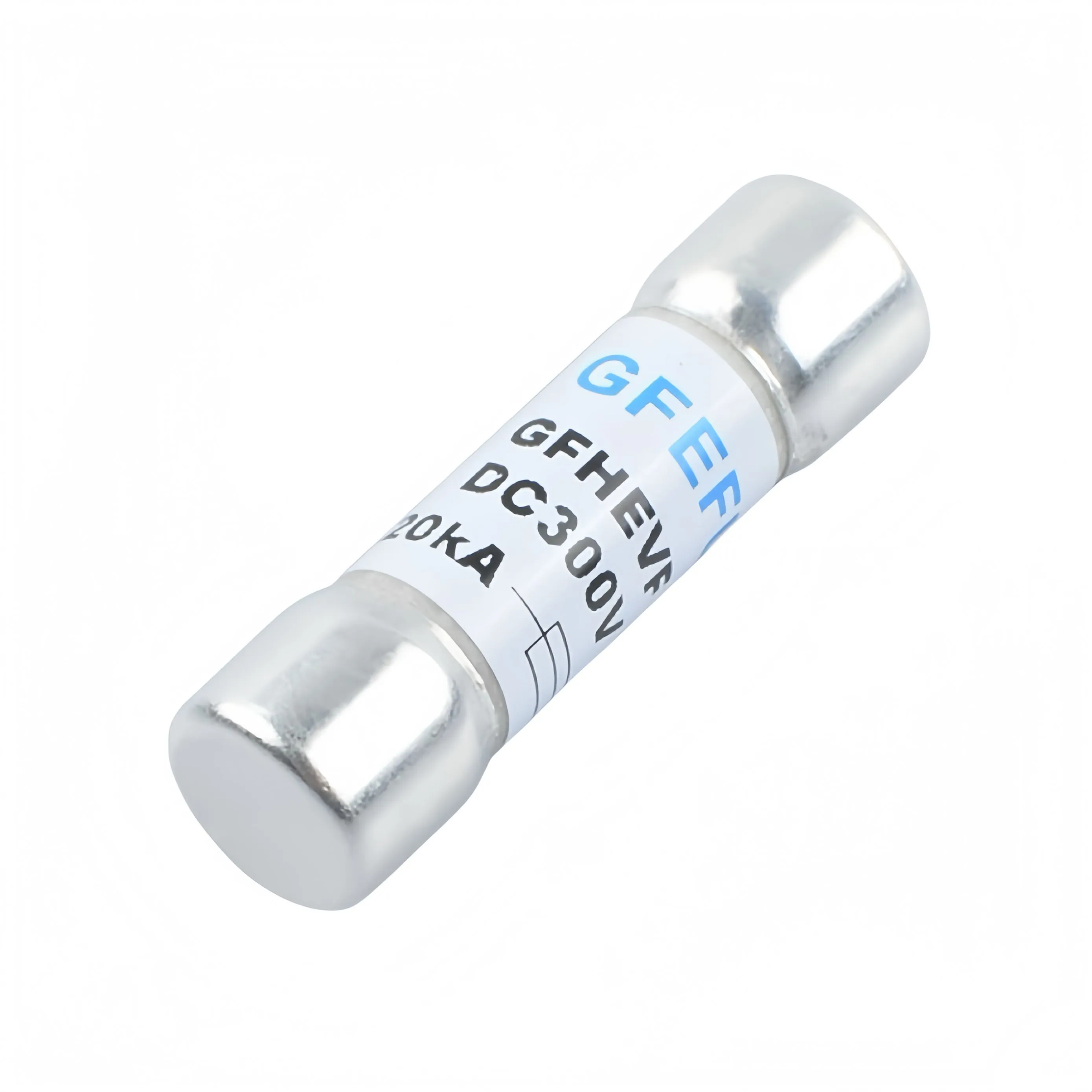
The most common specification error we see is not the current rating. It is someone matching the voltage rating of a DC fuse to the nominal system voltage and calling it done. On AC, that habit is mostly harmless. On DC, it is the difference between a device that clears and a device that becomes a heater.
+
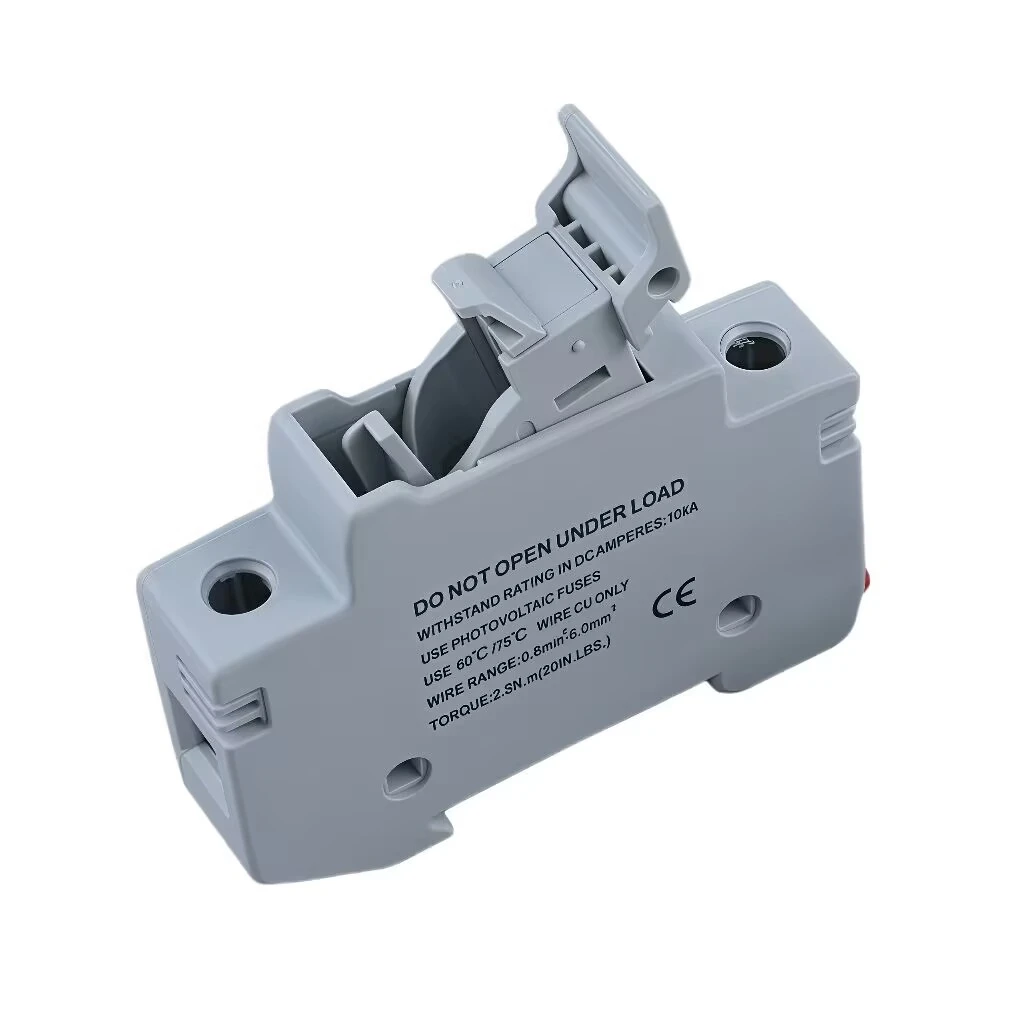
Outdoor DC enclosures fail from the environment far more often than they fail electrically. Water finds a cable gland that was never properly seated. Ultraviolet radiation chalks a holder body until it cracks. Condensation forms inside a sealed box every night for a year and quietly corrodes every terminal in it.
+
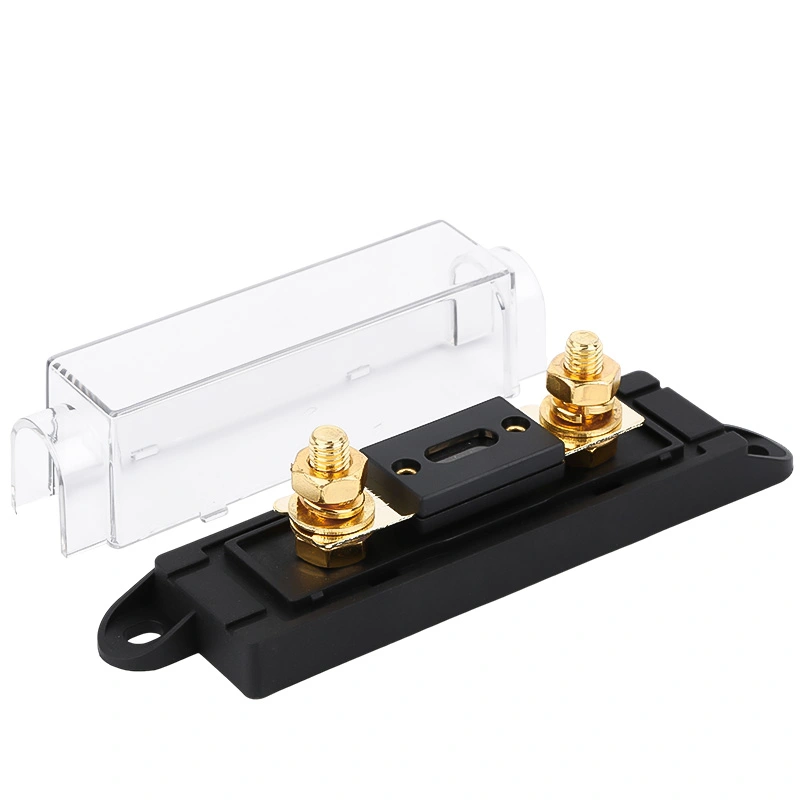
Wiring a DC fuse holder looks like the simplest job on the panel: two terminals, two cables, tighten and go. It is also where a surprising number of commissioning problems originate, because in DC the questions that matter — which side is the supply, which side is the load, and what the manufacturer's marking actually means — have consequences that do not exist on the AC side.
+
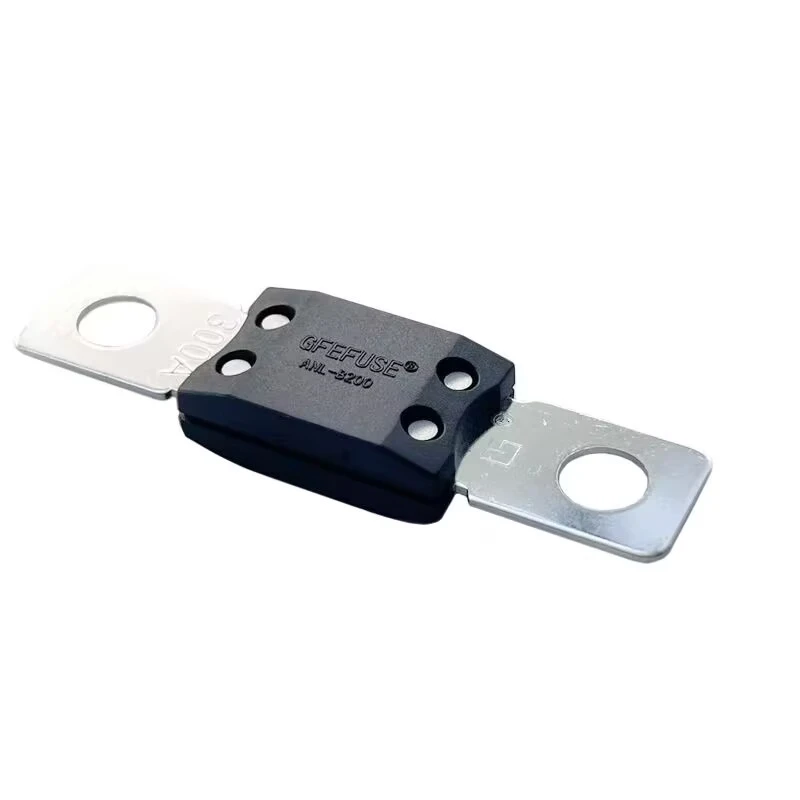
A bolt down fuse is one of the few protective devices whose performance depends on how well somebody with a spanner did their job. The same device, in the same circuit, can run cool for fifteen years or cook itself in eighteen months, and the difference is usually nothing more than the torque on two nuts and the condition of the surfaces underneath them.
+
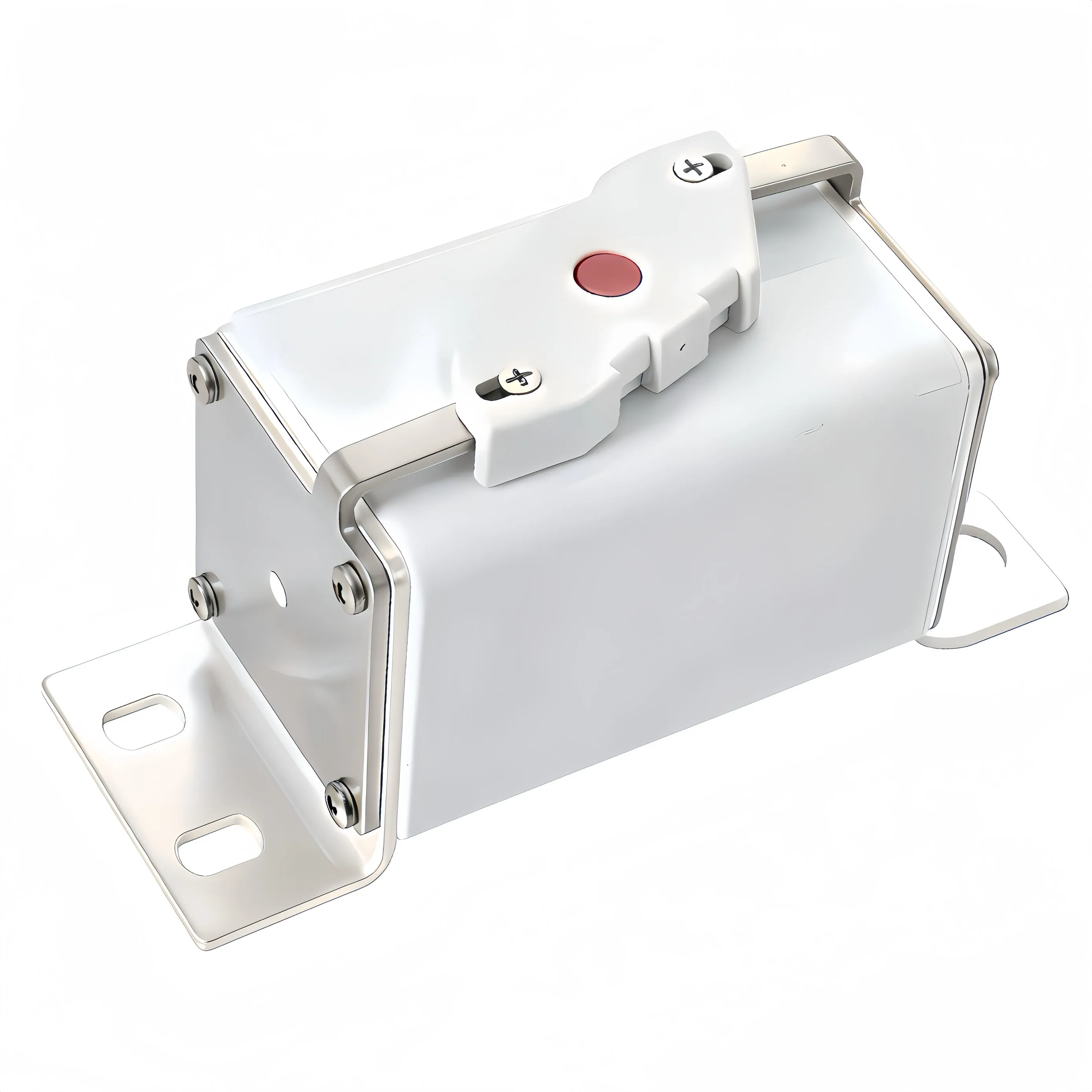
Sizing an energy storage fuse for a 1500 V battery rack looks like a five-minute job until you read the fault current. A lithium rack does not ramp up to its short-circuit value the way a generator does — the current is available the instant a contactor welds or a cable gets crushed during service.
+
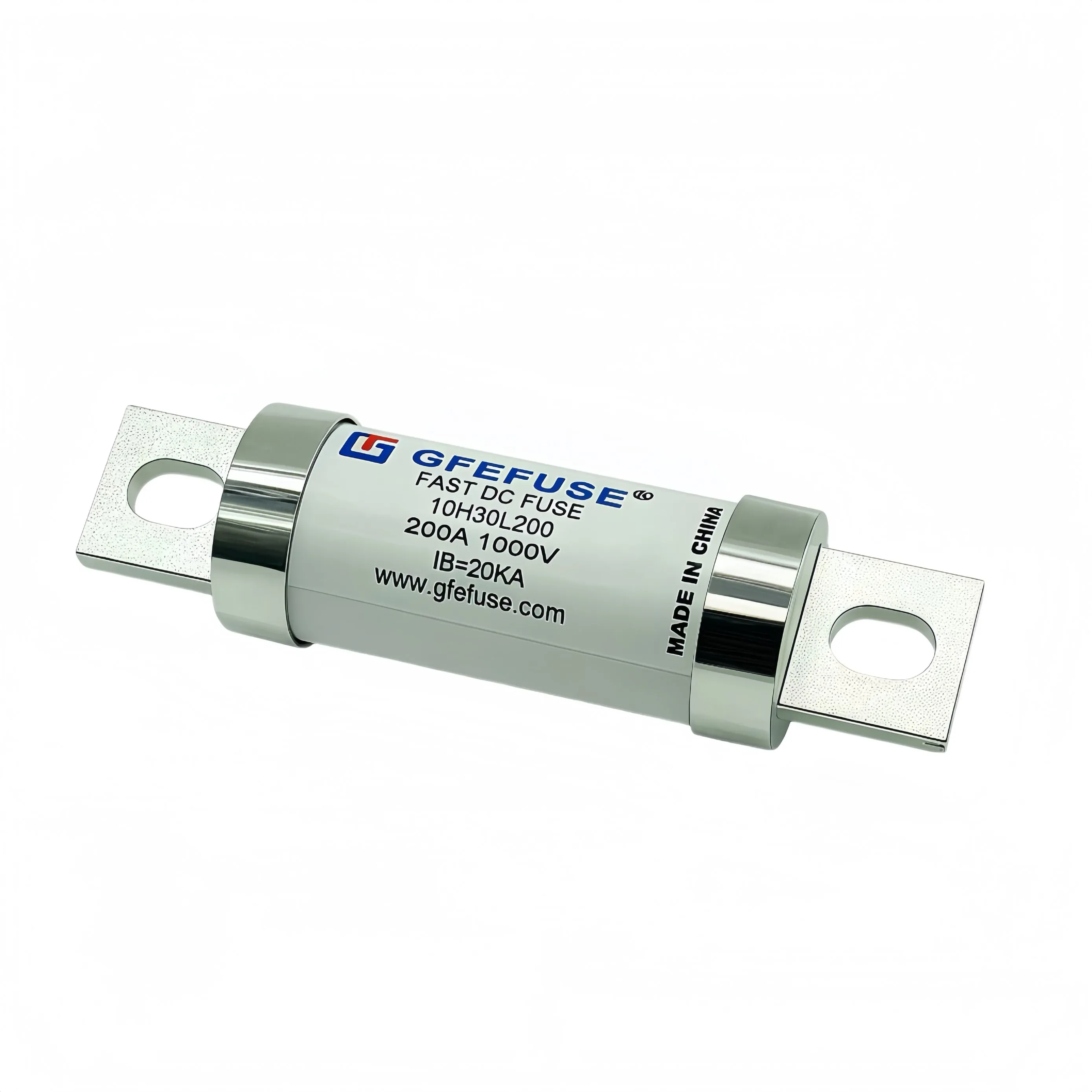
Every blade type fuse carries two independent statements of its rating: the colour of the plastic body and the number moulded into the top. They should agree. When they do not, or when one of them is missing or faded, people guess — and guessing is how a 10 A circuit ends up protected at 30 A.
+
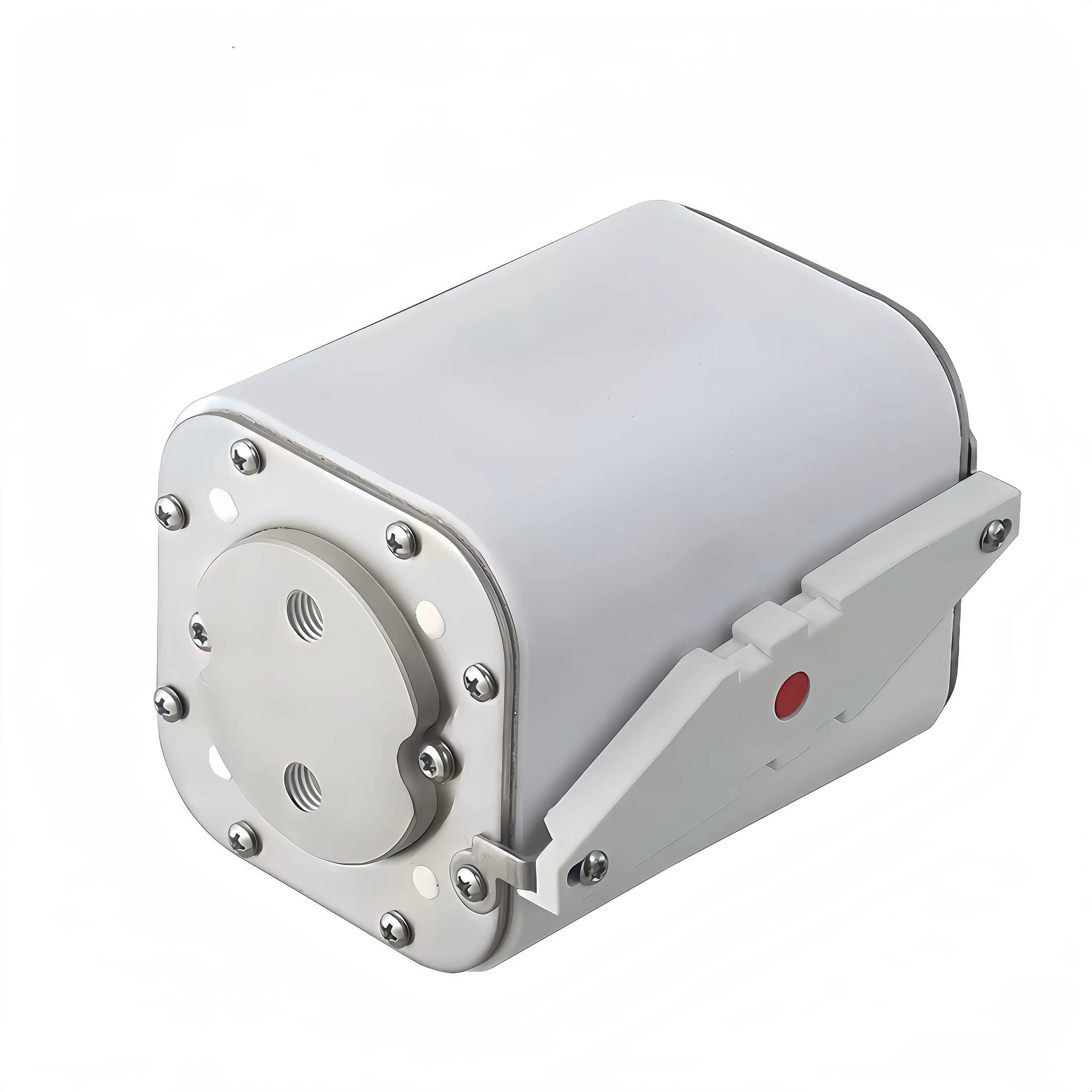
The time-current curve is the most useful sheet of paper in a high speed fuse datasheet, and the one most often skipped. Buyers look at rated current, glance at voltage, and move on. Then a drive trips, a diode fails, and nobody can explain why a device that was supposed to be fast took several milliseconds to clear.
+
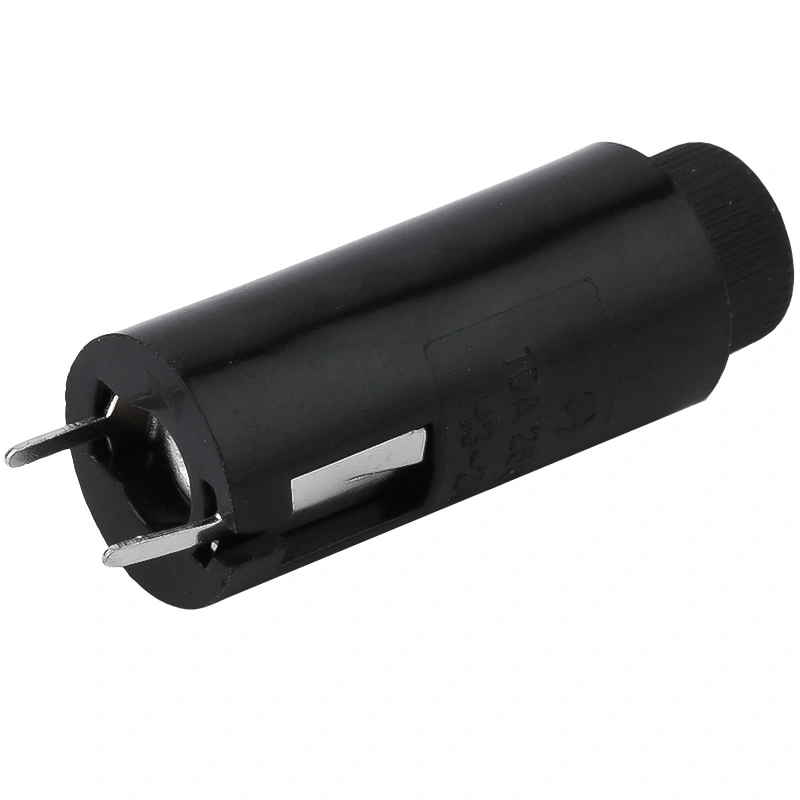
On a low-voltage control board, the placement of a PCB mount fuse holder is mostly a question of convenience: put it near the power input, keep the traces short, done. On a board that carries mains or high-voltage DC, placement becomes a safety decision, and the distance between two pieces of copper matters more than the routing elegance.
+
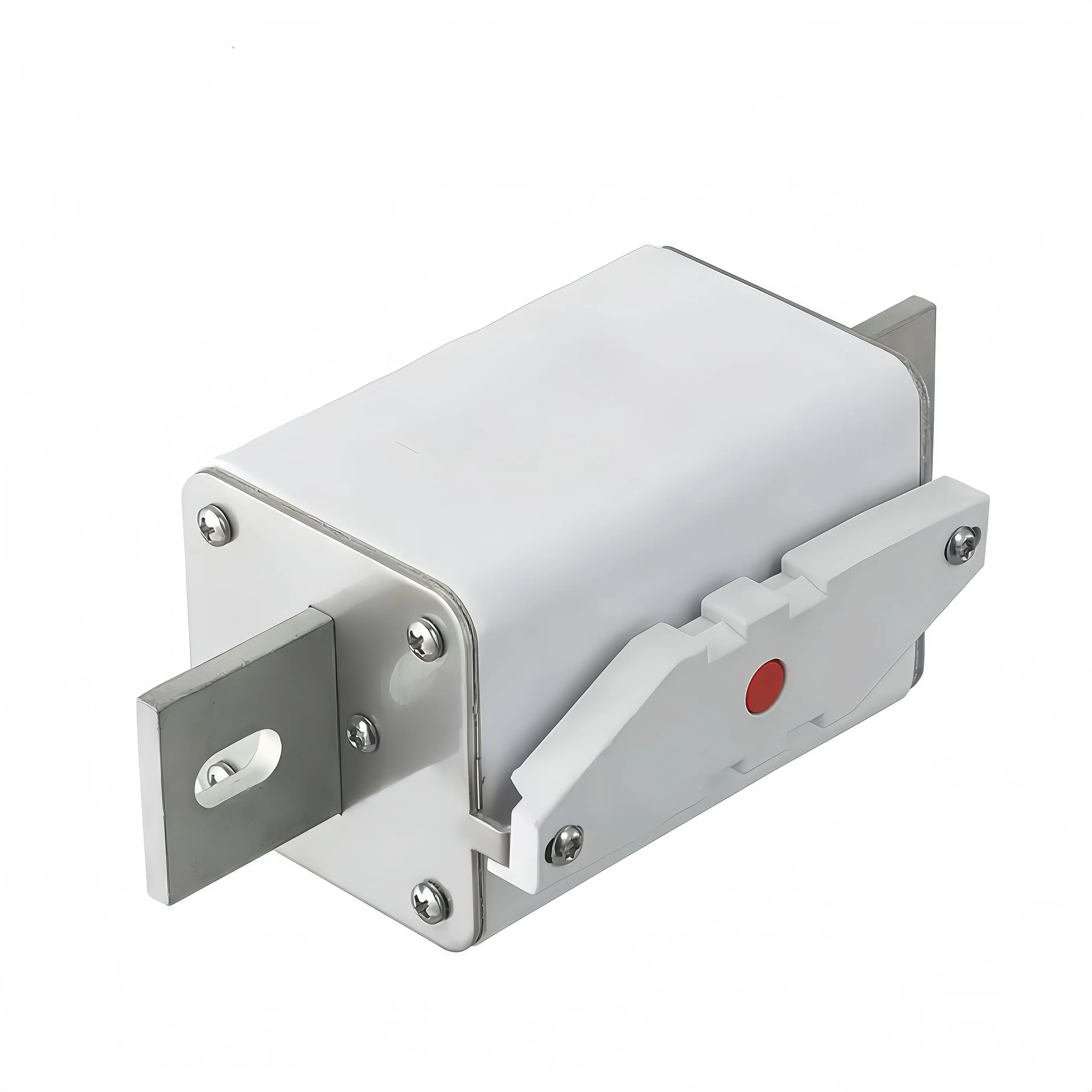
Solar protection is selected from two numbers printed on the module label, and those two numbers are almost always the wrong ones to start from. Installers reach for the nameplate power or the maximum power current, and the resulting PV fuse is either undersized and nuisance-blowing on the first hot week, or oversized and doing nothing when a string fault actually occurs.
+
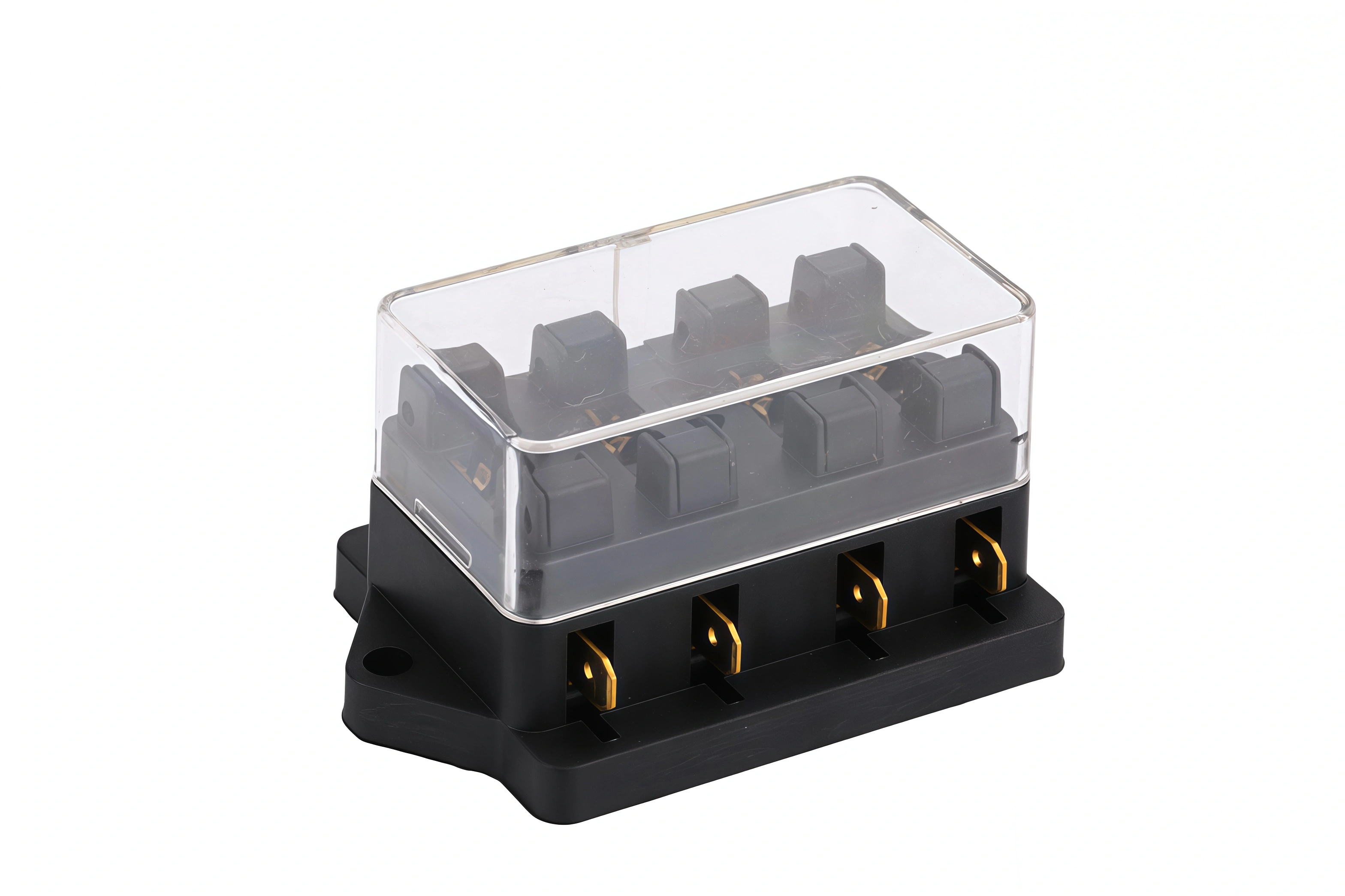
In a vehicle or any mobile equipment, a blade fuse holder is subject to continuous mechanical input for its entire service life. Engine vibration, road input, and harness movement all arrive at a contact that depends on spring force to do its job.
+
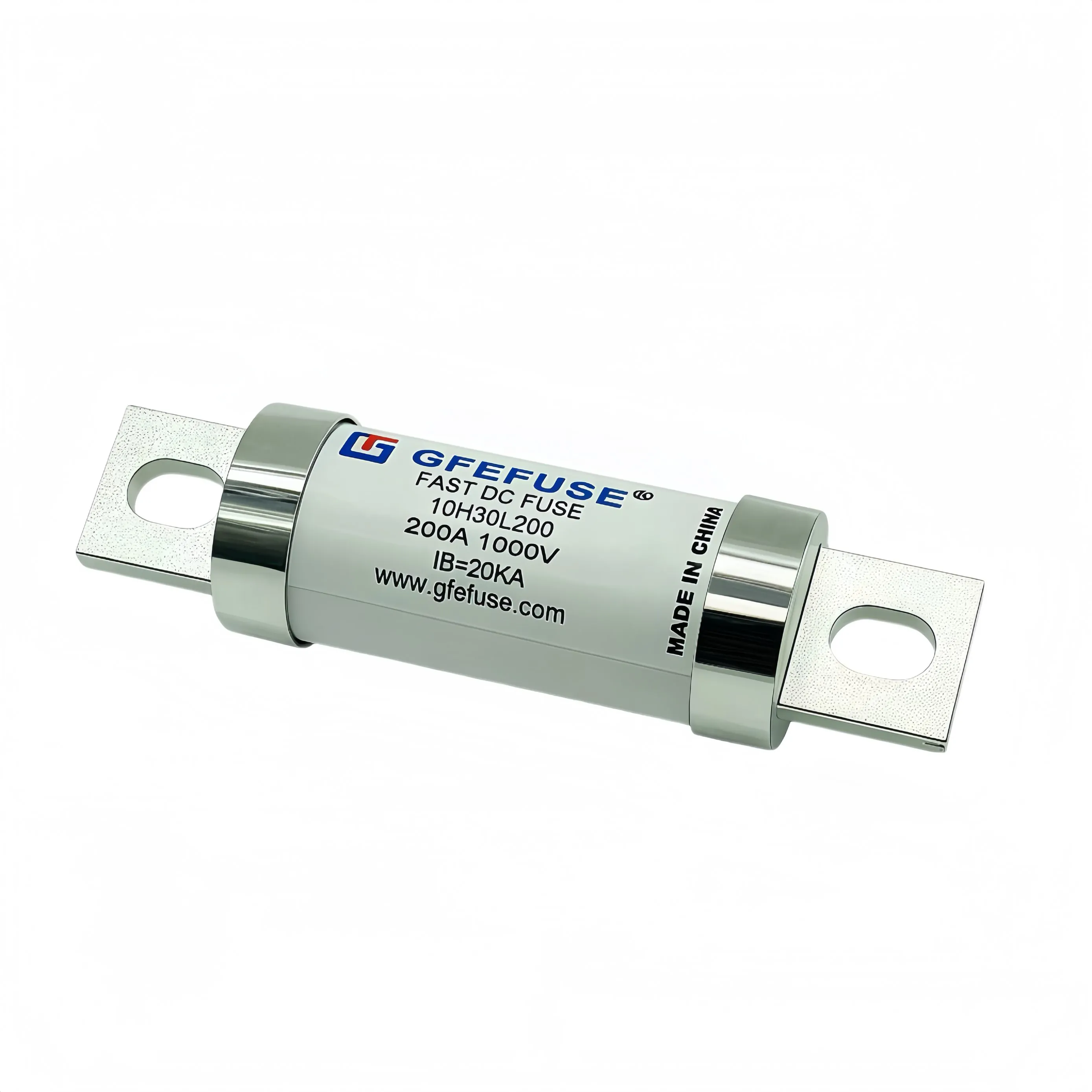
There are two ways to get vehicle high-voltage protection wrong. The first is a fuse that opens on a transient the contactor should have handled, leaving a driver stranded for a part that costs very little. The second is a contactor that tries to interrupt current beyond its capability, welds closed, and turns a manageable fault into a serious one.
+
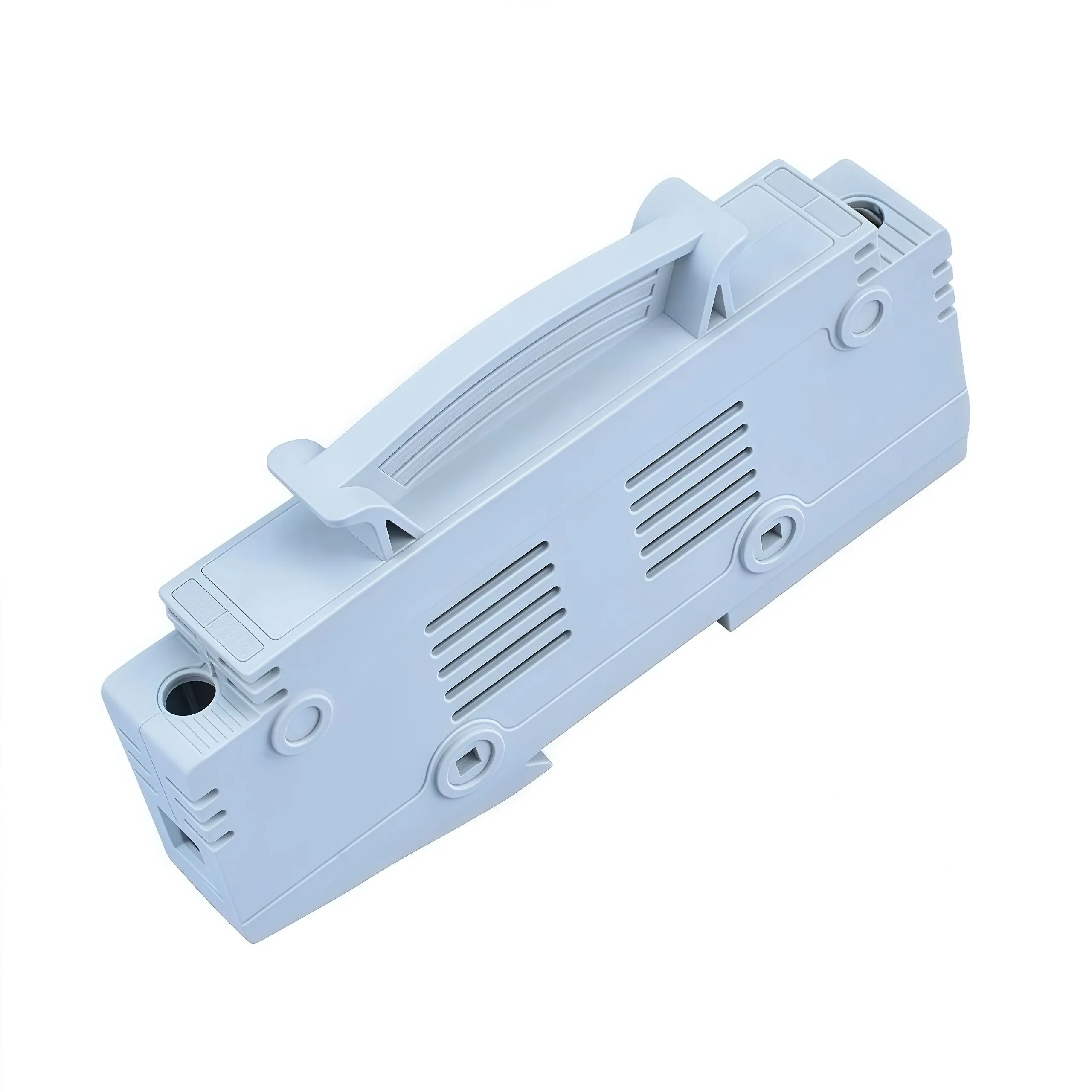
In the rapidly evolving landscape of renewable energy and electric mobility, the demand for robust circuit protection has never been higher. Identifying a competent industrial dc fuse holder supplier is a critical step for engineers and procurement specialists who are tasked with ensuring the safety and longevity of high-power systems.
+
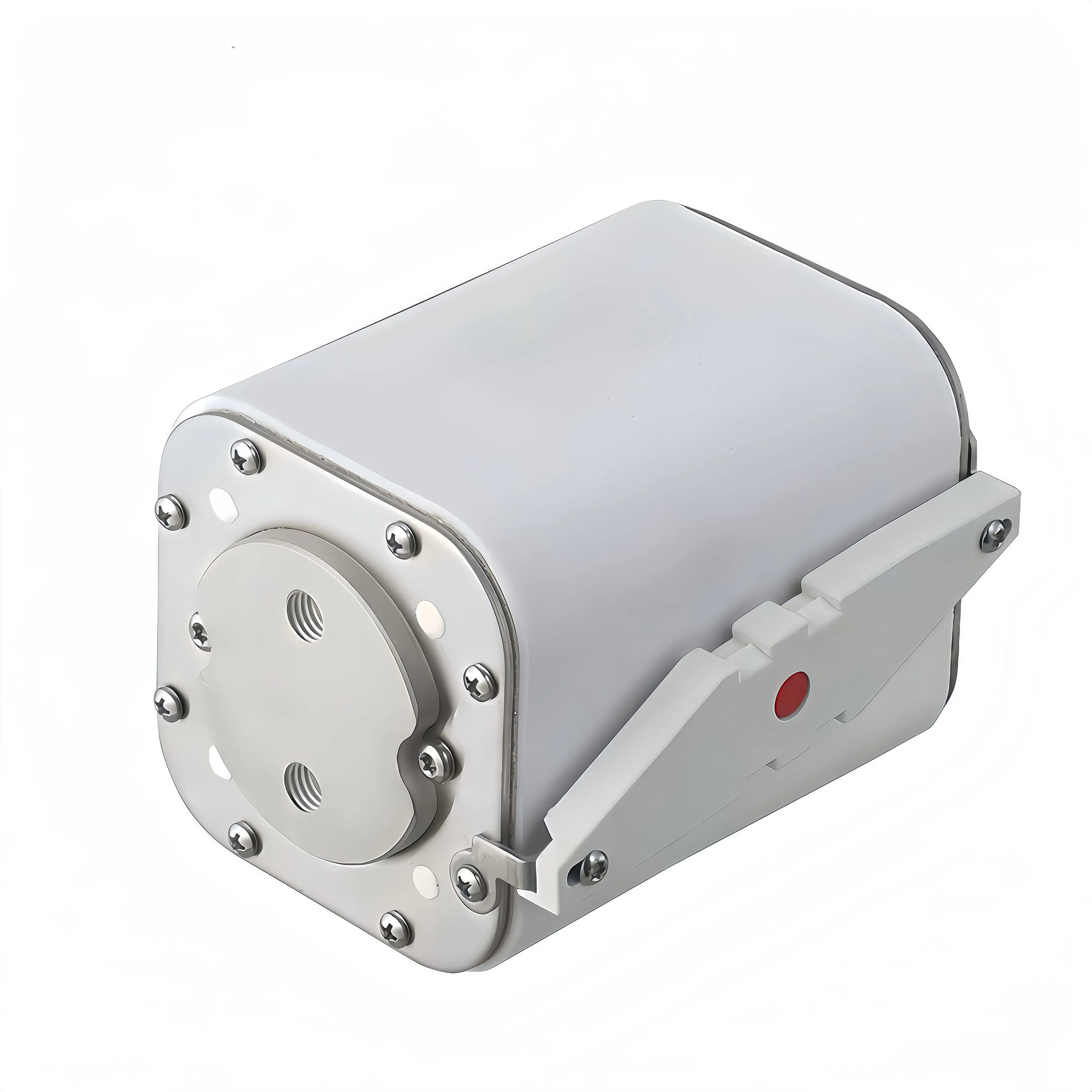
A comprehensive technical guide on choosing the right circuit protection for modern energy storage systems and power conversion units.
+
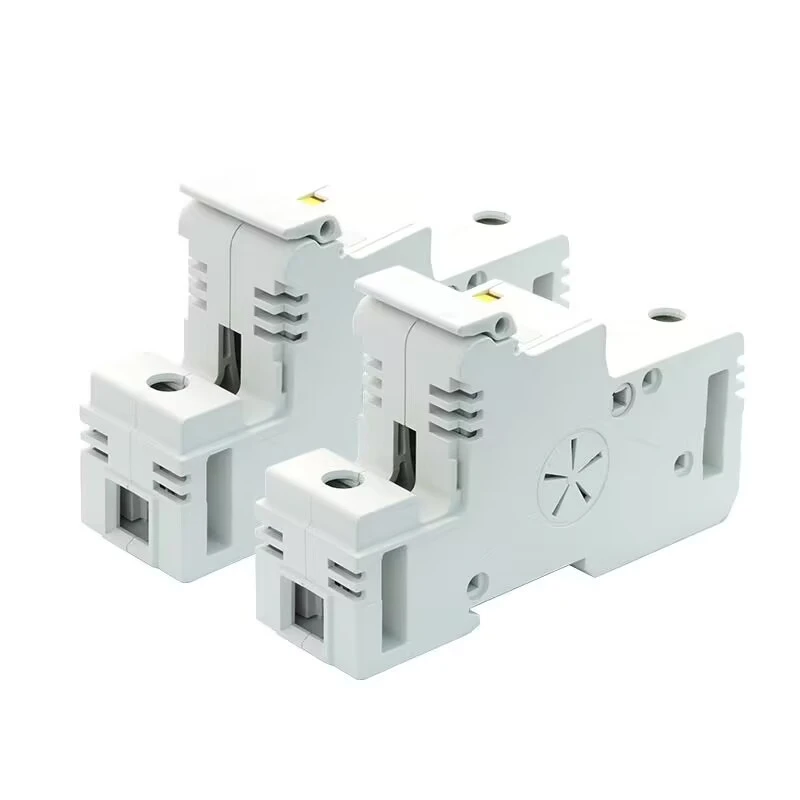
Comprehensive guide to selecting a high-performance oem dc fuse holder supplier for modern renewable energy and industrial applications.
+
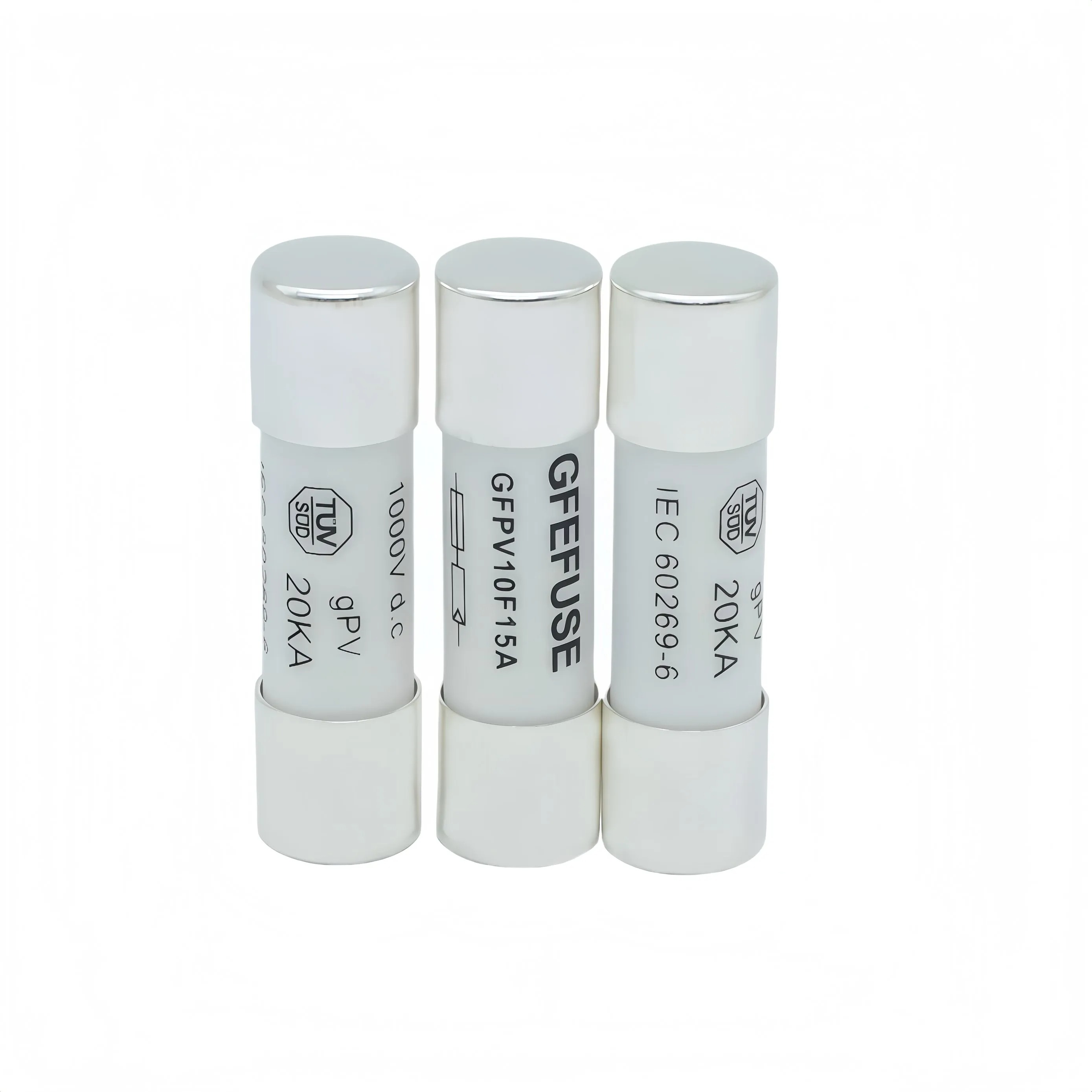
A comprehensive technical guide for photovoltaic system integrators and brands seeking professional circuit protection solutions through strategic OEM partnerships.
+
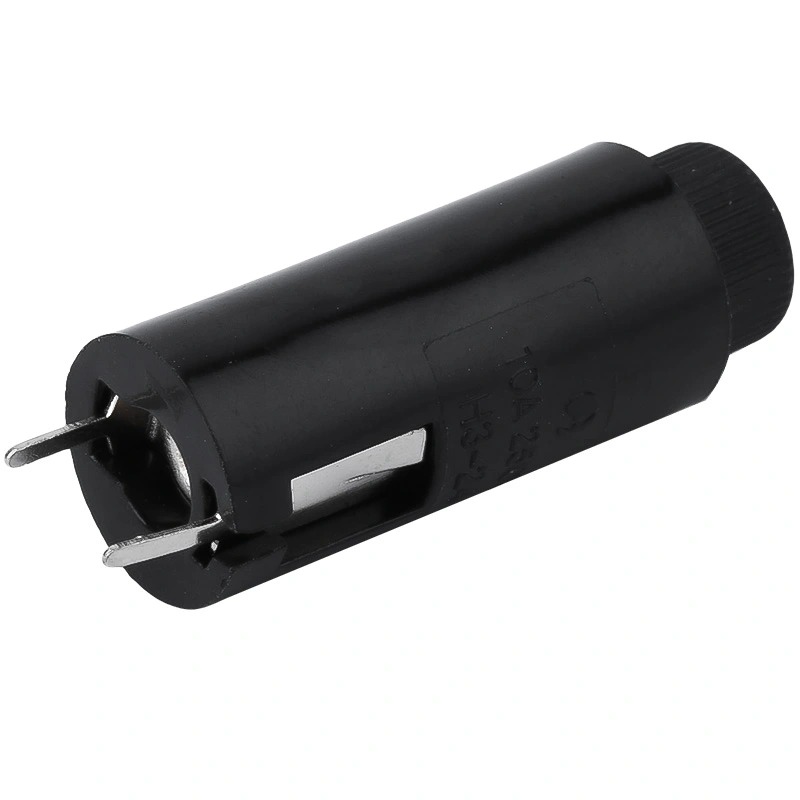
In the complex landscape of modern electronics manufacturing, selecting the right components is not merely a matter of technical compatibility but a cornerstone of long-term product reliability. Among these critical components, the fuse holder serves as a primary line of defense.
+
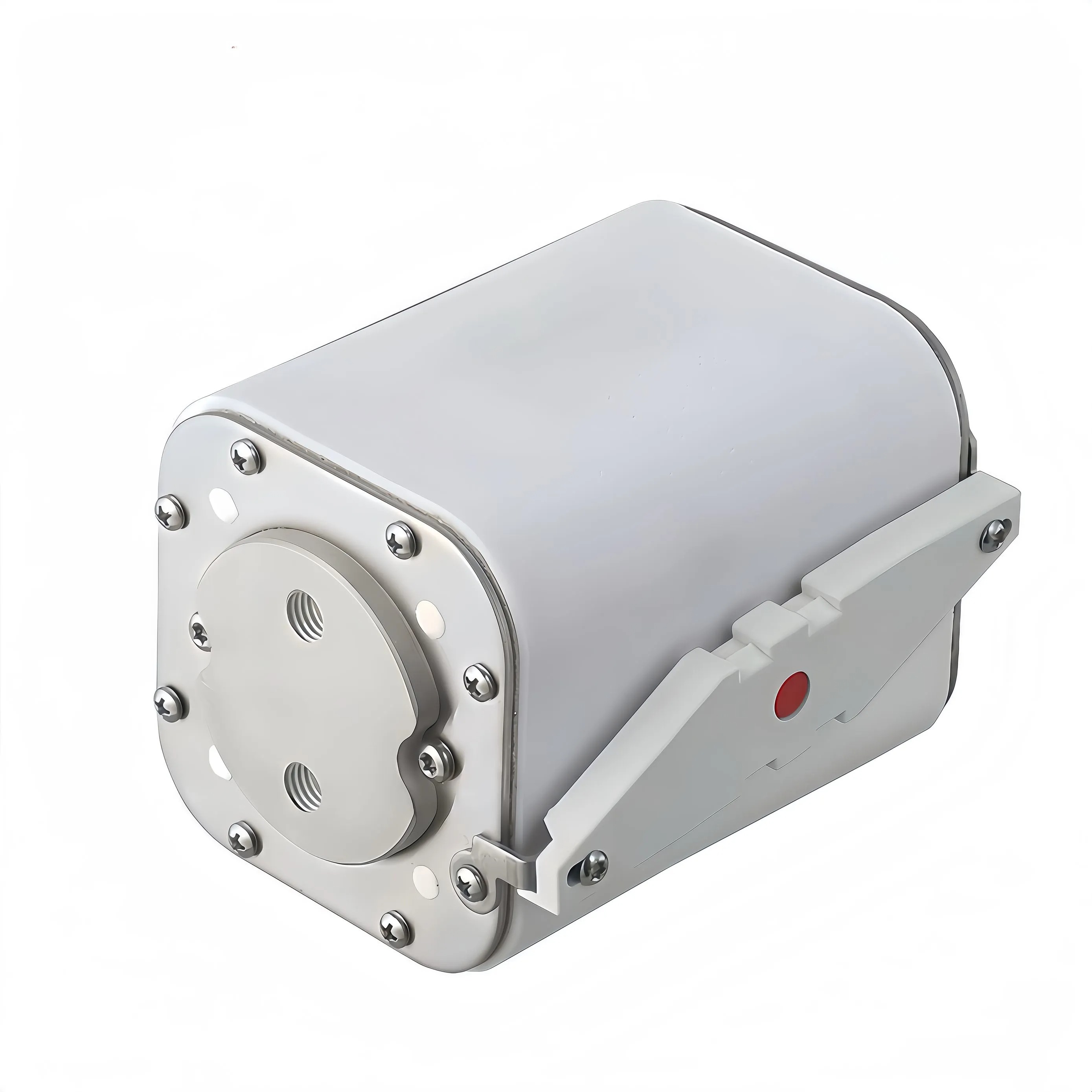
A comprehensive guide to sourcing reliable circuit protection for modern battery energy storage systems.
+
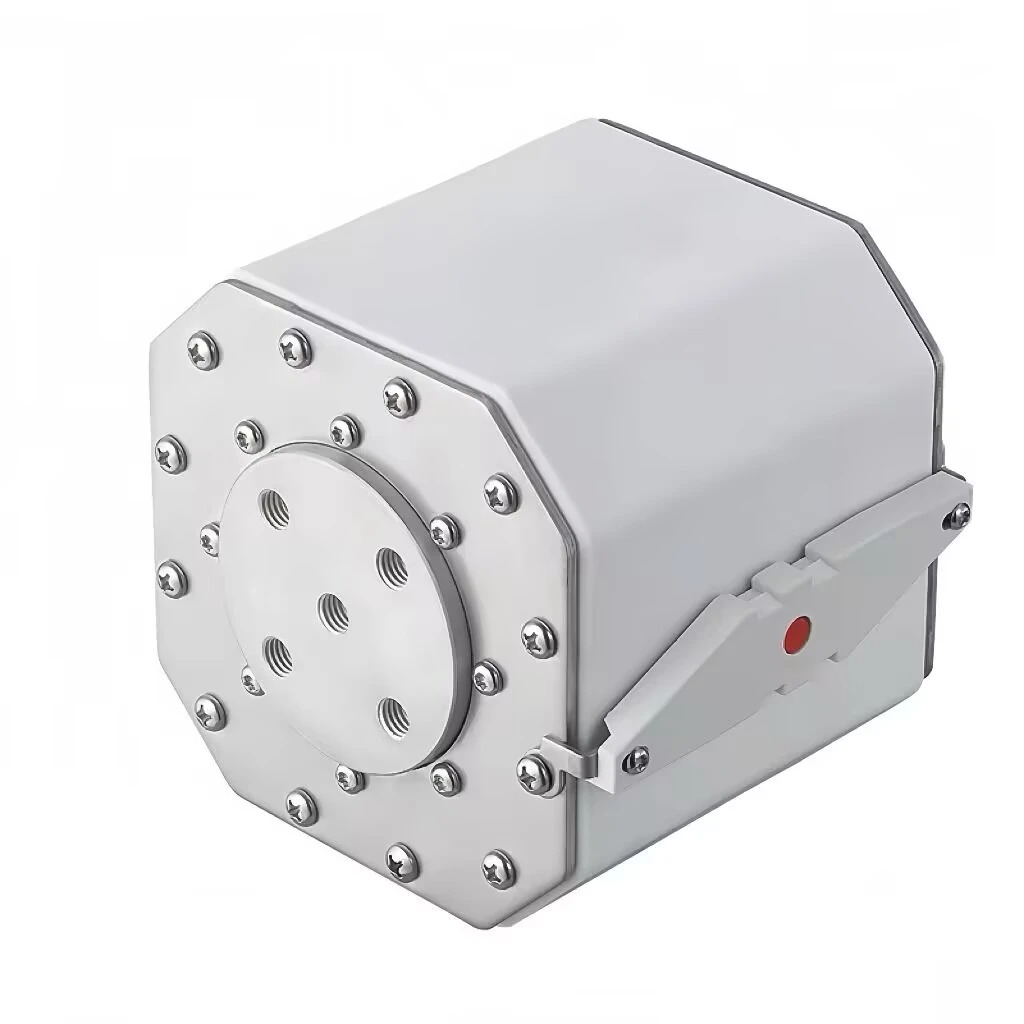
Comprehensive technical analysis and strategic selection criteria for modern Energy Storage Systems (ESS) protection.
+
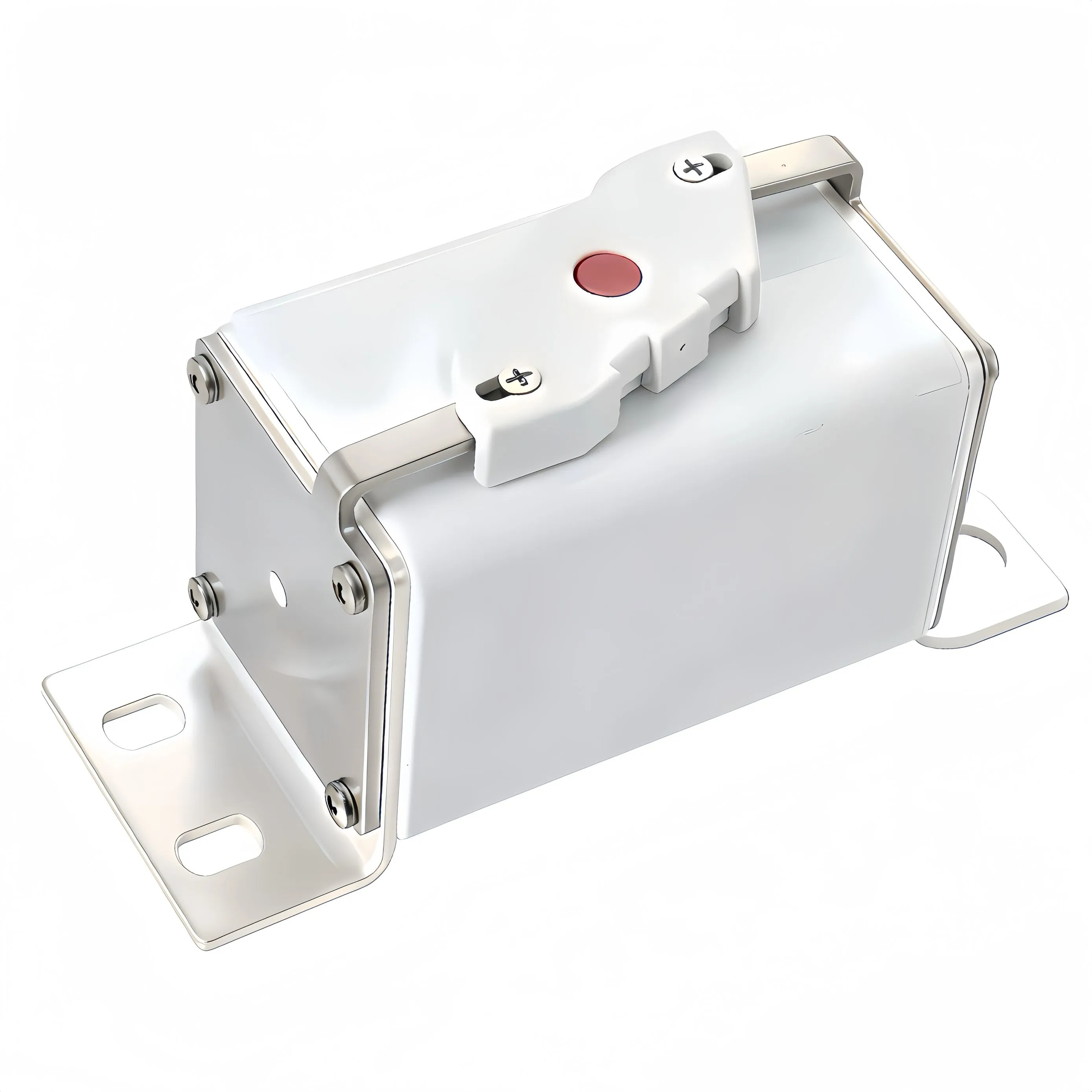
A comprehensive guide to identifying the right technical partner for high-voltage circuit protection in modern energy storage systems.
+
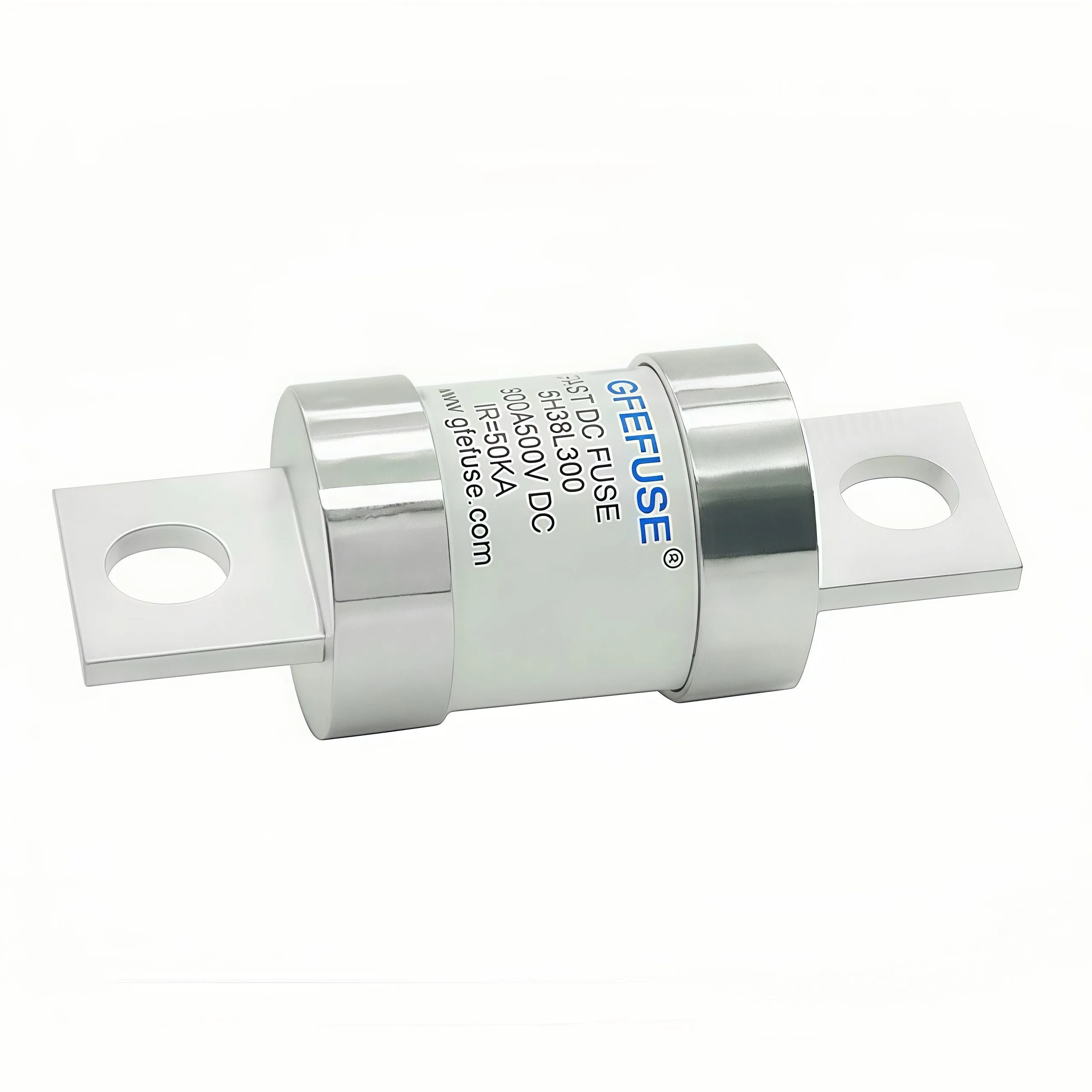
A comprehensive technical overview for procurement specialists and engineers in the automotive industry.
+
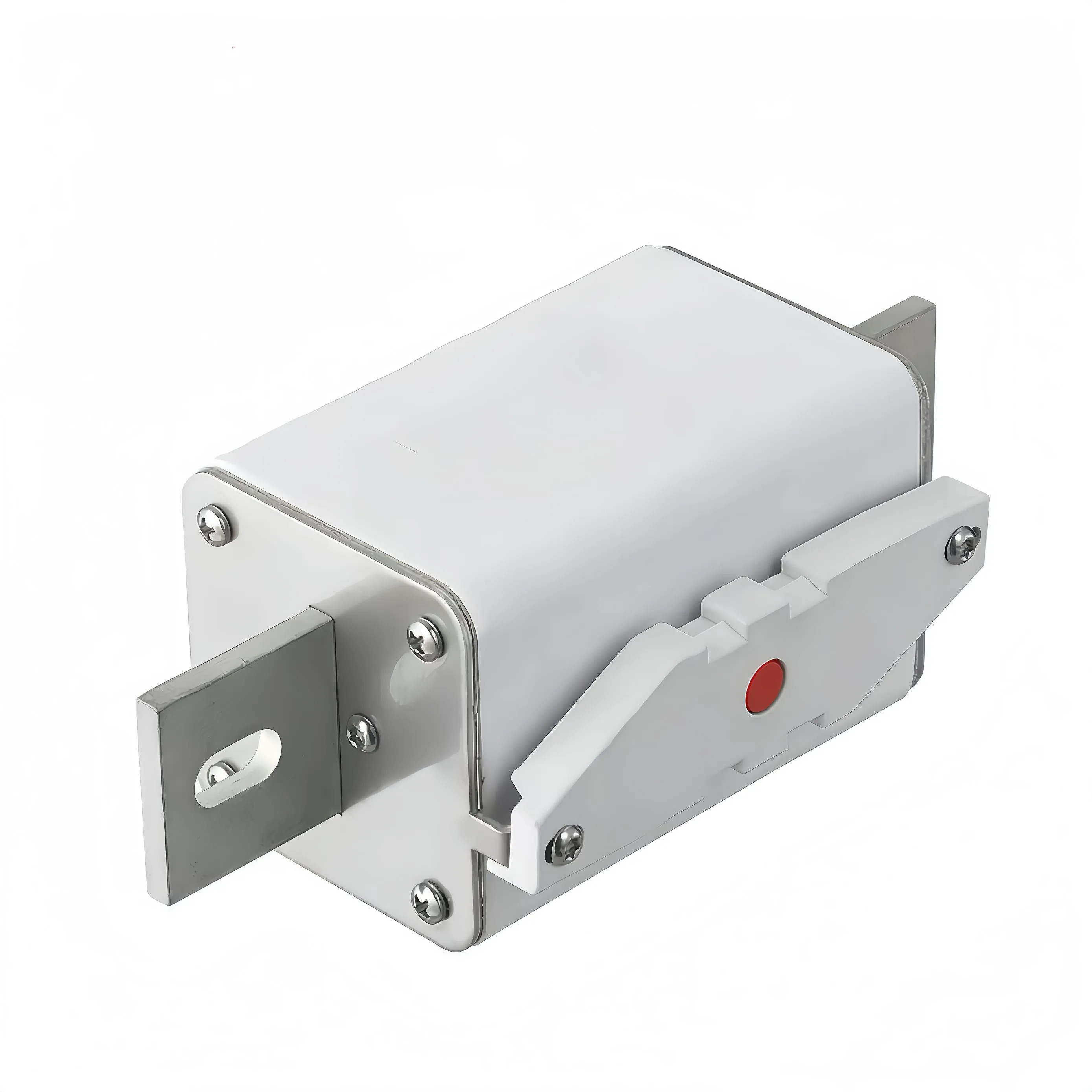
A comprehensive guide to sourcing high-performance circuit protection for modern photovoltaic systems.
+


.jpg?imageMogr2/crop/383x354/gravity/center/format/webp)


